 ZW News HD
Related Articles
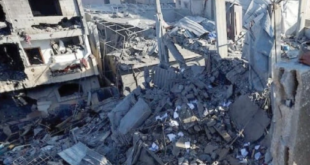

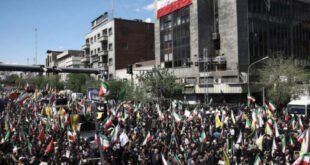
A US official says that a ‘frozen conflict’ is the worst situation for Trump, both politically and economically, as the midterm elections approach.
By Mahnoor |29-April-2026
The Middle East conflict is now like a Cold War, with the US and Iran standing their ground, each saying they are winning. The effects of this fight are being felt globally.
Axios, a US news source, says that US officials believe the US and Iran situation will not improve anytime soon.
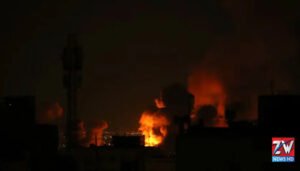
The conflict is now like a Cold War, with financial penalties, naval blockades, and discussions about future talks.
The US is getting involved in a situation where there is no war and no agreement, according to officials. This means that Washington will need to keep its troops in the area for several more months.
If that happened, the Strait of Hormuz would stay shut, the US blockade would go on, and both sides would keep waiting for the other to back down or start shooting, according to the US media.
The report said that US President Donald Trump hasn’t decided if he’ll order new military attacks or wait to see if his strong pressure and money penalties will make Iran negotiate.
An official close to the president said that a ‘frozen conflict’ is the worst situation for Trump as the midterm elections approach, both politically and economically.
The official said Trump seems annoyed but practical. He doesn’t want to use military power, but he’s also standing firm.
The report also mentioned that some of Trump’s top advisors are pushing him to keep the US blockade on the Strait of Hormuz and increase economic sanctions on Iran before thinking about more bombings.
A war between the US/Israel and Iran
The conflict in the Middle East started when the US and Israel began a war against Iran on February 28th, resulting in the deaths of key Iranian leaders, including Supreme Leader Ayatollah Ali Khamenei.
After that, Iran attacked US bases in Gulf countries and Israel with missiles, causing a lot of damage.
On April 8, US President Donald Trump announced a two-week ceasefire agreement with Iran. This happened shortly before his deadline for Iran to reopen the Strait of Hormuz. The agreement followed talks with Pakistani Prime Minister Shehbaz Sharif and Army Chief Asim Munir.
Earlier, Trump said that if his demands were not met, ‘a whole civilization will die tonight.’
To help resolve the Middle East conflict, Pakistan held peace talks between the US and Iran earlier in April. But, after more than 21 tough hours of talks, diplomats from America and Iran left Pakistan’s capital on April 12 without a final deal.
On April 22, President Trump prolonged the US truce with Iran to give peace talks more time, following Pakistan’s appeal.
Gulf leaders met in Saudi Arabia today for the first time since their countries became involved in the conflict with Iran. An official said the meeting’s goal was to create a plan to deal with the many Iranian missile and drone attacks they’ve experienced since the US and Israel started the war with Iran.
Trump is being pushed to stop the war.
Trump’s popularity is down, and he’s being urged to end a war he’s given Americans different reasons for fighting.
Unnamed senior Iranian officials told Reuters that Araghchi’s proposal to Islamabad involved phased talks, initially excluding the nuclear issue.
First, the US and Israel need to stop their conflict with Iran, with promises the US won’t restart it. Then, talks can address the US Navy blocking Iran’s sea trade and what happens to the Strait of Hormuz, which Iran wants to control and reopen.
Only then will talks address other issues, like the ongoing disagreement about Iran’s nuclear plans. Iran still wants the US to recognize its right to produce enriched uranium.