 ZW News HD Latest Breaking News, Entertainment, Sports & Pakistan Updates
Related Articles
The Gulf crisis isn’t just a surprise problem from outside; it’s a sign our economy can’t keep going as it is.
BY Mahnoor | 11-05-2026
KARACHI:
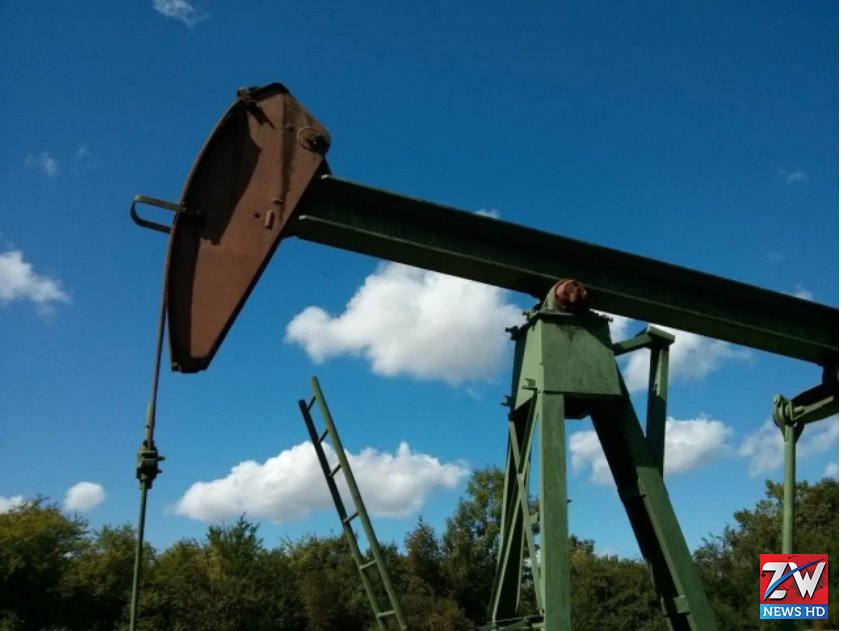
The new Gulf conflict highlights Pakistan’s economic problem: we rely heavily on imported oil. Any Middle East crisis strongly impacts our economy.
Because things are getting worse and ships are in danger in the Strait of Hormuz, the world’s oil prices have gone up. This isn’t just a problem far away for Pakistan. It hurts our economy by making things cost more, weakening our money, messing up our budget, and making life harder for many people.
Oil greatly affects Pakistan’s rising prices. When global oil prices go up, it quickly affects everything. Transportation costs more, electricity bills increase, it costs more to make things, and food prices rise too. A $10 increase in the price of oil can cause inflation to rise by almost 1%. This significantly reduces what people can afford and makes life harder for families already dealing with very high prices.
But inflation is just the beginning. Pakistan spends about $18-20 billion each year on oil. For every $5 increase in global oil prices, Pakistan’s import cost goes up by about $1 billion. This shows how at risk the country is. Pakistan’s economy is already weak, so it can’t handle these price increases without problems. The value of Pakistani money goes down, the country borrows more money, and the central bank has to increase interest rates to protect the economy. The government also has problems: higher fuel costs increase financial support for the power industry, create more debt, and reduce spending on development projects. The government spends more money just to keep things running, leaving less money for important things like healthcare, education, and roads. Basically, the oil price crisis hits Pakistan hard in every area where it is already weak.
The most important thing now is to stop the rising oil prices from causing a bigger economic problem. Pakistan should not use general subsidies, even though they might seem good politically. This has been tried before and it only makes the country’s debt and deficit worse, requiring the International Monetary Fund (IMF) to step in. A better way is to provide help to those who need it most. Digital cash given through programs like the Benazir Income Support Programme (BISP), or mobile money, can help poor families without changing fuel prices for everyone. Also, offering some help to public transportation, farming, and essential goods carriers can stop rising prices from affecting everything we buy. These actions protect those most in need without ruining the country’s finances.
Pakistan can use its stored fuel wisely. Even though we don’t have a lot saved, using some can help handle quick price increases, stop people from buying too much out of fear, and lower the need to import fuel right away. This gives us time for prices to calm down.
Saving energy is another way to help that’s not used enough. Closing markets earlier, shortening government office hours, and using energy-saving lights might seem like small things, but they can save millions on what we import. Even cutting fuel use by 5% nationwide can save hundreds of millions of dollars each year.
Pakistan should use its good relations with Saudi Arabia, the UAE, and Qatar to get help, not just free money. It could ask for things like delayed payments, easier LNG delivery, or short-term swaps. These have worked before and can give some relief. Also, now that Pakistan has an IMF program, getting money from other countries on time is very important. Keeping the exchange rate steady is the best way to stop imported inflation. Without this, everything else is harder. Short-term fixes can help a little, but the real problem is deeper. Pakistan is weak because it depends too much on imported fuels. Every crisis in the Gulf will threaten our economy.
The answer for the future isn’t a secret. We need to want it to happen, keep our plans steady, and change what’s most important to us as a country. Here are the main things we need for a long-lasting fix:
First, let’s use more renewable energy quickly. Pakistan has lots of sun and wind. But we still use mostly imported fuels. Using more renewable energy would: lower import costs, keep electricity prices steady, reduce debt, and bring in foreign money. Aiming for 50% renewable energy by 2030 is a big goal, but we can do it – and we must.
Second, increase our ability to refine oil within Pakistan. We import a lot of gasoline and diesel, which cost more than crude oil. Improving and growing our refineries would make our energy supply safer, reduce our need to buy gasoline and diesel from other countries, and create factories and jobs. Saudi Arabia wants to invest in a refinery in Gwadar, which could greatly improve things if it’s done openly and with a long-term plan.
Third, switch to electric vehicles for transportation, which uses most of Pakistan’s fuel. Even a small shift to electric buses and motorcycles would greatly cut oil use. This needs charging stations, reasons for people to buy electric vehicles, and making EVs locally. Other Asian countries have shown how fast this can happen if the rules are right. Fourth, fix the power problem. The ongoing debt is a major issue. No energy plan will work without fixing electricity loss, unfair pricing, inefficient power companies, and capacity payment problems. A strong power sector eases money problems and keeps energy prices steady. Fifth, create a backup oil supply. Most big countries keep 60-90 days’ worth of oil. Pakistan has very little. A national reserve would soften price spikes, ensure supply, and improve negotiating power. This requires spending, but not having it costs even more.
This is a critical time. The Gulf crisis isn’t just a passing problem. It’s a sign that Pakistan’s economy can’t last if it depends on imported oil.
The author leads Mustaqbil Pakistan and has an MBA from Harvard Business School.