 ZW News HD Latest Breaking News, Entertainment, Sports & Pakistan Updates
Related Articles
Ishaq Dar Chairs Key Meeting on Fuel Subsidy Program
BY Mahnoor | 24-06-2026
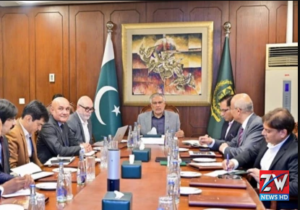
Pakistan’s Deputy Prime Minister and Foreign Minister, Ishaq Dar, recently chaired an important review meeting regarding the government’s Fuel Subsidy Scheme. The meeting focused on evaluating the progress of the relief program designed to support motorcyclists, farmers, public transport operators, and goods transporters affected by rising fuel costs.
The review comes at a time when fuel prices have remained a major concern for millions of Pakistanis. The government launched the subsidy initiative to reduce the financial burden on vulnerable groups and ensure economic stability amid fluctuating global oil prices and regional tensions.
What Happened in the Fuel Subsidy Meeting?
During the meeting, senior government officials briefed Ishaq Dar on the implementation of the subsidy scheme across the country. Officials informed participants that four rounds of subsidy payments had already been successfully distributed over the previous two months. The discussion also covered transparency measures, accountability systems, and coordination with provincial governments.
After reviewing the progress, Ishaq Dar expressed satisfaction with the overall performance of the program and directed authorities to continue improving monitoring mechanisms to ensure deserving citizens receive timely assistance.
Government Approves Fifth and Sixth Installments
One of the major outcomes of the meeting was the approval of the fifth and sixth installments of the fuel subsidy scheme. The government announced that these payments would be distributed during June 2026 as part of its ongoing relief efforts.
According to official reports, eligible beneficiaries under the program are expected to receive additional financial assistance aimed at offsetting transportation and fuel-related expenses. The subsidy particularly targets:
- Motorcycle owners
- Rickshaw drivers
- Small-scale farmers
- Public transport operators
- Goods transport businesses
These groups have faced increased operating costs due to fuel price fluctuations over recent months.
Why Was the Fuel Subsidy Introduced?
The Fuel Subsidy Scheme was launched as a response to rising international oil prices and regional geopolitical tensions that affected energy markets. The government sought to protect low-income citizens and essential sectors from sudden increases in fuel expenses.
The scheme aimed to:
- Reduce transportation costs
- Support agricultural productivity
- Control inflationary pressures
- Provide direct relief to low-income households
- Maintain economic activity in critical sectors
By offering targeted assistance, policymakers hoped to minimize the impact of fuel price shocks on everyday Pakistanis.
Transparency and Accountability Remain a Priority
A significant portion of the meeting focused on ensuring transparency in the distribution process. Ishaq Dar instructed relevant departments to strengthen oversight mechanisms and improve coordination between federal and provincial authorities.
Government officials emphasized that subsidy payments must reach eligible beneficiaries without delays or irregularities. Enhanced monitoring systems are being implemented to improve accountability and reduce the risk of misuse.
Who Attended the Meeting?
The review meeting was attended by several senior government officials, including:
- Special Assistant Tariq Bajwa
- Secretary Petroleum
- Chief Secretaries of Punjab, Sindh, and Khyber Pakhtunkhwa
- Representatives from Gilgit-Baltistan and Islamabad Capital Territory
- Other federal and provincial officials
Their participation highlighted the government’s commitment to coordinated implementation of the subsidy program nationwide.
Recent Development: Government Decides to End the Subsidy Program
Following subsequent reviews, the National Steering Committee on Fuel Subsidy later decided to discontinue the nationwide subsidy program. Officials cited declining international oil prices and the transfer of those benefits to consumers as key reasons behind the decision. The recommendation was made during a meeting chaired by Ishaq Dar and was subject to government approval.
The decision affects subsidies previously available to motorcyclists, small farmers, public transport operators, and freight transport companies. Authorities stated that changing market conditions reduced the need for continued financial support.
Impact on Citizens
The fuel subsidy initiative provided temporary relief to thousands of Pakistanis struggling with increased transportation and agricultural costs. Many beneficiaries welcomed the program, particularly during periods of high fuel prices. However, the gradual reduction and eventual discontinuation of subsidies may require households and businesses to adjust their budgets once again.
Economic experts suggest that future government policies may focus more on targeted welfare measures and broader economic reforms rather than direct fuel subsidies.
Also watch this :