 ZW News HD Latest Breaking News, Entertainment, Sports & Pakistan Updates
Related Articles
Pakistan and Qatar report good progress in Lucerne talks. Negotiators have set a 60-day plan to reach a final agreement, which the Prime Minister welcomed.
BY Mahnoor | 23-06-2026
ISLAMABAD: Pakistan and Qatar reported good progress on Monday following the first major talks between the U.S. and Iran. These talks were held under a previous agreement made in Islamabad. Both sides agreed to set up processes to help them reach a full agreement within 60 days.
After a summit in Switzerland, Pakistan and Qatar released a statement saying the talks were positive. They created a plan for future discussions and formed technical groups to work on important issues.
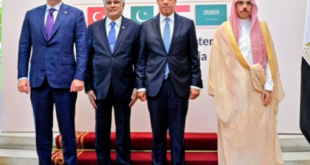
Leaders from Iran, the US, Pakistan, and Qatar met for discussions. JD Vance led the US group, and Muhammad Bagher Ghalibaf led the Iranian group.
Prime Minister Shehbaz Sharif and Qatari Prime Minister Sheikh Mohammed bin Abdulrahman Al Thani managed the meeting, which was sometimes difficult. Although the Iranians skipped the group photo and walked out to protest President Trump’s threats, the mediators helped restart the talks. Eventually, both sides agreed on several points.
In a joint statement, both sides agreed to create a ‘High-Level Committee’ to oversee the peace talks. Lead negotiators from both sides will report to this committee and manage groups working on nuclear issues, sanctions, monitoring, and solving disagreements.
The committee also agreed on a plan to reach a final deal within 60 days, allowing technical discussions to begin immediately.
To build trust, the groups agreed to set up a direct communication line. This will help prevent accidents and mistakes in the Strait of Hormuz, ensuring ships can safely travel through this important waterway.
Mediators also announced a new group including Iran, the U.S., and Lebanon. This group will monitor the plan to stop military actions in Lebanon, as agreed in the Islamabad MoU.
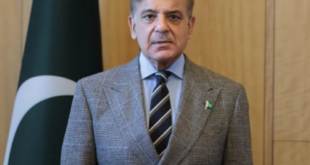
At the same time, Prime Minister Shehbaz Sharif welcomed the progress made in the talks. He noted that both sides agreed on a plan to reach a final deal within 60 days, will form a high-level committee to oversee the process, and will start more technical discussions.
He praised the leaders of the United States and Iran for staying committed to the talks and thanked other countries for their support. He especially thanked Qatar for helping to lead the negotiations.
Sharif thanked Army Chief Field Marshal Asim Munir for his help in moving the process forward. He said Munir’s hard work made these talks successful and that no progress would have happened without his dedication.
Reaffirming that Pakistan wants to use diplomacy, the prime minister said his country will continue to act honestly to help reach a peaceful and lasting solution through dialogue.
Even though the joint statement was positive, officials from Iran and the US disagreed on what was actually accomplished during the long talks.
Iranian Foreign Minister Abbas Araghchi credited the success to hard work by Pakistan and Qatar, stating the meetings made great progress toward ending the conflict in Lebanon.
Araghchi said the new agreements allow Iran to export oil and petrochemicals, ends the naval blockade, releases some of Iran’s frozen money, and starts a big plan to rebuild the country. He noted that the first real challenge will be managing tensions in Lebanon.
Showing support for this process, the Trump administration announced a temporary 60-day pause on sanctions against Iranian oil. US Treasury Secretary Scott Bessent stated this happened after successful meetings in Switzerland.
Bessent wrote on X that Iran has promised to keep the Strait of Hormuz open for travel and to let IAEA inspectors into the country. He also noted that the Treasury Department has issued a temporary permit to allow the production and sale of Iranian oil.
This permit lets Iran export oil without facing sanctions until August 21, which could greatly help their economy after years of strict punishments.
US Vice President JD Vance was positive about Sunday’s talks, calling them ‘very, very good.’ He said the two sides have started building a base for a larger deal. He explained that while the final agreement isn’t finished yet, they have created a strong start that will benefit Americans.
Vance listed four main goals for the future and noted that Iran agreed to let international nuclear inspectors in. He called this a huge step toward permanently stopping Iran’s nuclear weapons program.
Vance mentioned progress in talks to stop more fighting between Israel and Hezbollah in southern Lebanon. He also described a plan to release frozen Iranian funds through a system managed by the US and Qatar.
However, Iranian officials quickly disputed some of the US claims, showing that the path forward is still difficult despite the positive mood. Iran’s Foreign Ministry spokesman, Esmail Baghaei, denied that Tehran had agreed to any new rules for nuclear inspections.
According to Iran’s state news agency, Baghaei stated that Iran must follow the rules set by its parliament and security council. Because of a law passed last year, Iran is still not working with or allowing inspections by the IAEA.
Answering claims from the U.S., Baghaei said Iran did not make any new promises during recent talks. Reports suggest that during 18 hours of discussion, Iran did not talk about nuclear issues or agree to any new requirements.
The report stated that future rules for inspecting damaged nuclear sites or Iran’s uranium supplies would be decided through a special process during a 60-day negotiation period.
The different public statements followed a familiar pattern: US and mediator officials claimed talks were going well, while Iranian officials and media expressed concerns about major issues.
Even with these differences, diplomats believe that creating official working groups, a political oversight system, and direct communication lines is the best progress made since the Islamabad agreement.
Experts will continue meeting in Burgenstock this week. They aim to turn the general ideas from the Lake Lucerne Summit into a full deal that covers nuclear issues, lifting sanctions, sea security, and regional peace.
Also watch this :
The Pakistan Army team won first prize at the 2026 International Pacesticking Competition in the UK