 ZW News HD Latest Breaking News, Entertainment, Sports & Pakistan Updates
How going digital helped independent artists reach fans directly without needing a middleman.
BY Mahnoor | 23-06-2026
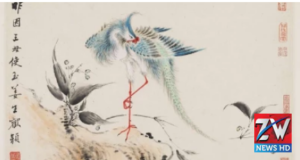
I have always disliked Facebook. I have an account, and I used to spend a lot of time arguing with people online when the site first started. However, I find Facebook annoying because it is slow and clunky. In contrast, I find Instagram fun. It is visually pleasing, simple, and clean. The app is easy to use without many distractions, and it used to focus entirely on art. Since I am returning to painting after 25 years, Instagram is a relaxing place to get feedback on my amateur watercolor paintings without feeling pressured.
Instagram has changed a lot, but when it started, it was a huge help for artists everywhere. Like many digital tools, it broke old rules by removing the middleman. For a long time, traditional galleries, art schools, and critics controlled who became successful. Instagram weakened that control. Instead of needing to impress rich gallery owners or worry about harsh critics, I could show my art directly to people and find my own fans. Artists everywhere did the same thing, filling Instagram with art that high-end galleries and wealthy collectors usually ignored.
Viola Lillhom, a business student who studied online art, says that 80 percent of buyers now find art online instead of in galleries. More than half of gallery owners say they discover new artists on Instagram. Now, artists can become famous without needing help from magazines, photographers, or gallery owners.
Art is free
This gives watercolor artists a great sense of freedom.
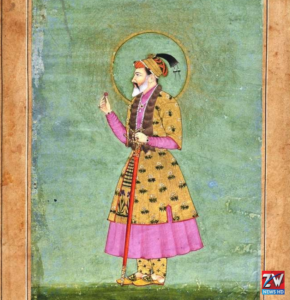
For hundreds of years, Western culture has decided what makes a ‘real artist,’ usually focusing on oil painting. Watercolors are often seen as just a hobby. Even though some famous artists used them, ‘serious’ artists have almost always been expected to use oils. This Western standard has influenced art worldwide, including in the Global South. This is a problem because, in places like China and India, art traditions have always relied on water-based paints. Chinese watercolors and Persian or Indian miniatures are incredibly beautiful, yet they are often overlooked. Even in major Pakistani art schools, students are taught to value oil painting above all else. Because of this, it is very difficult for watercolor artists to be taken seriously by galleries, critics, or even other artists, even in their own country.
Social media allows me to be an artist without following Western rules. It has helped people see watercolor as a serious art form. Because of the internet, many people now know amazing watercolor artists like Chien Chung Wei, Alvaro Castagnet, Joseph Zbukvic, and Eudes Correia. These masters paint real scenes rather than abstract shapes. In the modern art world, being ‘abstract’ is often seen as the only way to be cool. If these artists lived in Pakistan, the professional art community might have ignored them. In my WhatsApp groups, I see talented artists like Arshad Maqbool, Saqib Akhtar, and Farooq Aftab being dismissed simply as ‘traditionalists.’ This label keeps them out of important conversations about the future of art. Currently, only miniature art is highly respected in Pakistan, led by the famous Imran Qureshi. However, these watercolor artists are now using Instagram to gain the public appreciation they were denied by the elite art world.
Checking the skill
Craftspeople are even less respected than watercolor artists. We call our local crafts ‘Lok Virsa’ and build special ‘villages’ where all the country’s artisans gather. Then, once a year, we display them in a parade and expect them to perform just to earn a living.
Since the early 1900s, even though past movements tried to treat art and craft as equals, crafts have been treated as simple, repetitive tasks that anyone can do. Meanwhile, art is seen as something special and creative made by geniuses. In reality, an oil painter is no more important than a potter or an architect. However, a small group of powerful people—like critics and gallery owners—decide which one is worth more money and respect. In Pakistan, the government only supports local crafts if they make a clear profit. This is why the textile industry is doing well; since people always need clothes, the government feels no need to promote anything else.
Then, Etsy arrived
Etsy hasn’t made a huge impact in Pakistan yet, but it is a platform that treats art and handmade crafts as equals. Both Instagram and Etsy have helped people from all over the world discover traditional local crafts, making them easy to find and highly valued again.
Social media has helped break down the barriers of the once exclusive and elitist art world.
Some Instagram artists have never attended art school or studied art professionally, yet they have many followers and earn a lot of money. Whether they make realistic art, crafts, or modern pieces, their success no longer depends on a small group of experts or buyers to be noticed or to make a living.
Social media has helped revive traditional crafts from Uzbekistan to Arabia. It also creates new career options for people who might otherwise choose traditional jobs like business, engineering, or law. The number of artists is growing, which changes how we define art and how we experience it. Now, artists can talk directly to their followers, and their work stays visible online, allowing continuous discussion around their pieces.
The old idea of a poor artist living in a small, lonely attic is no longer common.
The disadvantages of digital exhibitions
At IVSAA, the fine arts department used to require students to read John Berger’s great book, ‘Ways of Seeing.’ In this important work, Berger explains that our background and culture change how we view art. For example, someone from a Western country might think a traditional Persian miniature painting looks too busy or strange. This is because those paintings use a unique style of depth that Westerners aren’t used to. Additionally, because nudity is censored in many Muslim countries, such art might lose its value or be viewed differently there.
Back in the 1970s, he suggested that mass media changes how we see things. This affects both how we look at art and how artists actually create it. This idea is very accurate.
In the 1970s, mass media included TV, movies, shiny magazines, and major newspapers. These visual tools changed how people saw things by turning ideas into real images. However, media only reached specific places and allowed a small group of powerful people to decide which art was important.
Social media allowed the artist to show their work to people all over the world.
Because of this, the way things looked changed a lot. And it was not always an improvement.
As of 2026, the internet and social media are mostly controlled by wealthy Western nations. Because the biggest platforms and most influential accounts are based in the Global North, they control how information travels from the West to the rest of the world. Since the internet is now the main source of news and knowledge, it spreads Western values everywhere. This often weakens local cultures and traditions; for example, the rise of English makes people less likely to learn native languages like Urdu. As a result, artists in developing nations often copy Western styles instead of their own, due to the long-lasting influence of colonialism.
In the art world, this means Western art is overrepresented while art from developing nations is ignored. Because of this, artists from these regions often change their work to fit Western tastes, causing their unique cultural traditions to fade away. They adapt their ancient customs to look like Western art because the West controls the media and holds most of the money for art collecting. Even when local artists become popular on social media, most of their followers are from the West.
Social value
Plus, there is the scary social media algorithm.
When you get a reward for doing something, you are likely to do it again. Think of a mouse that keeps pressing a button for food, or a child who stays away from a hot stove after getting burned.
When social media rewards you for a specific type of art, you will naturally start making more of that same style to get more attention. If peaceful landscapes don’t get many views, you will switch to whatever topics are currently popular. For example, if everyone is posting cute cat sketches, most artists will start posting cute cat sketches too.
In the past, a small group of experts decided who was a ‘real artist.’ Today, a digital system uses numbers like followers and likes to judge an artist’s value. Because most users are from Western countries, the algorithm favors Western styles. This causes social media art to look very similar. Instead of deep meaning, many artists now focus on trendy colors, repetitive styles, and polished looks just to get more views.
I often wonder: if Sadequain lived today and used Instagram, would he still paint massive ceilings, or would he just make simple pictures for likes and shares? Similarly, would Allama Iqbal’s deep poetry become famous online, or would it be ignored because it is too long, too difficult, or too political for social media users?
Art has always been influenced by what people buy. Today, however, it is controlled by social media algorithms. Instead of money, popularity and likes are now the main reasons why art looks the way it does.
The biggest problem is that artists have stopped doing their main job—critiquing society and showing its flaws—just to please computer algorithms.
Confident and bold
Keep in mind that the greatest artists are usually those who ignored trends and focused on expressing their true selves. These artists could have used social media to reach people, but only if they avoided focusing on likes and ignored the constant urge for digital validation.
Ultimately, what matters most is having inner strength and balance.
Social media has harmed art, but it can also improve it. The goal is to balance the flow of information; we must share our own stories as strongly as we receive those from wealthy Western nations. We must protect and share our unique ways of creating art without fear. Our style, traditions, and values should no longer feel inferior to Western standards; instead, we should be proud and make sure our own people recognize our work. While artists might seek popularity online, they should treat it as a side activity rather than letting it distract them from their true masterpieces.
The same things that make us feel less important can also be used to change the power balance. To do this, we must work hard and be very intentional about finding hidden gems. We need to discover artists from developing nations—the writers and thinkers with small audiences whose great work deserves our full attention.
They are outside. Go look for them.
Also watch this :
