 ZW News HD Latest Breaking News, Entertainment, Sports & Pakistan Updates
Related Articles
Pakistan needs to pay 9.2 US cents per unit
BY Mahnoor | 16-05-2026
ISLAMABAD:
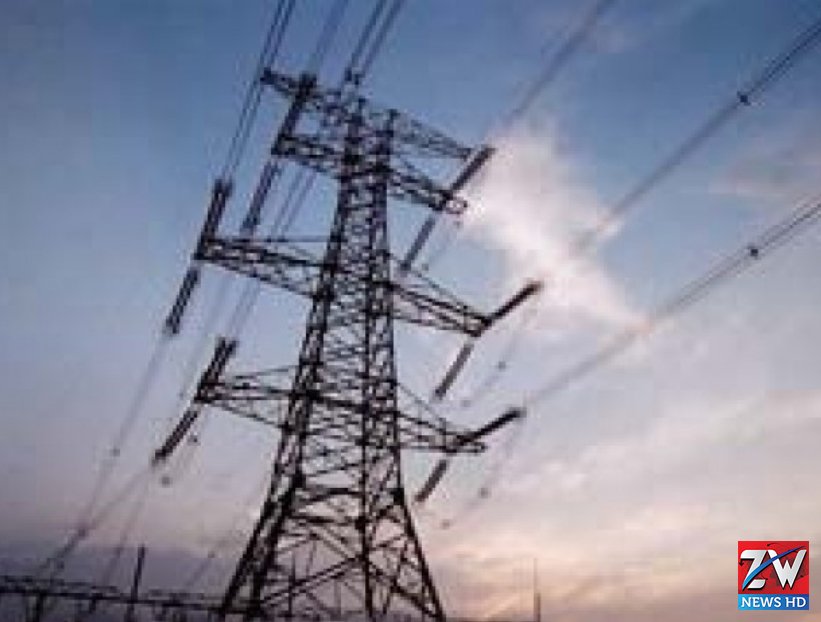
Due to the conflict between Iran and the US, NEPRA has approved importing more electricity from Iran to meet the needs of Balochistan.
Pakistan will pay Iran 9.2 US cents for each unit of electricity (kWh) if oil is under $100 a barrel. The price per unit could go up to 11 cents if oil goes over $100.
On September 12, 2023, the Central Power Purchasing Agency (CPPA-G) asked for permission to buy 104 MW of electricity, plus another 100 MW, from TAVANIR, which is Iran’s government-owned power company.
CPPA-G followed the Economic Coordination Committee’s (ECC) decision from August 7, 2023, when it submitted the application. The application had changes that were properly signed, covering supply deals and tariff rates.
After that, CPPA-G submitted more information on December 28, 2024. This included details about the suggested changes and their key aspects.
In August 2023, the Cabinet’s Economic Coordination Committee (ECC) reviewed a proposal from the Power Division and gave it the go-ahead.
It approved signing changes between CPPA-G and TAVANIR, letting CPPA-G buy power for the Pakistan government when importing electricity.
Later, CPPA-G asked the authority on September 12, 2023, to approve a tariff extension for the existing 104 MW supply (already approved by the authority) and to approve the tariff for the extra 100 MW supply agreed upon in the changes.
The regulator is worried that CPPA-G keeps asking for tariff extensions and contract changes very late, often after they’ve already started or even finished.
In this case, CPPA-G asked for permission to extend the current electricity rates in September 2023. This extension would cover the ongoing electricity supply from January 2022 to December 31, 2024.
The power regulator instructed CPPA-G, QESCO, ISMO, and NGC to create and submit a detailed, unified plan for the electric power supply in the relevant areas within six months of this order.
This plan will come from a full study. It will look closely at how reliable and safe the system is, including cost and ways to lower risks.
It also instructed the team to find and create local, safe, reliable, and varied supply choices to guarantee energy security for the future.
Nepra also wants careful and logical evaluation of needs, including predicting demand and load; plus, a clear system for organizations to work together to create and carry out the plan.
📌 ALSO WATCH
👉India increases fuel prices after holding steady since the start of the Iran war.