 ZW News HD
Feeling like you’re walking on eggshells? Avoiding someone? Holding back what you want to say? If so, your relationship might not feel emotionally secure.
BY Mahnoor | 22-05-2026
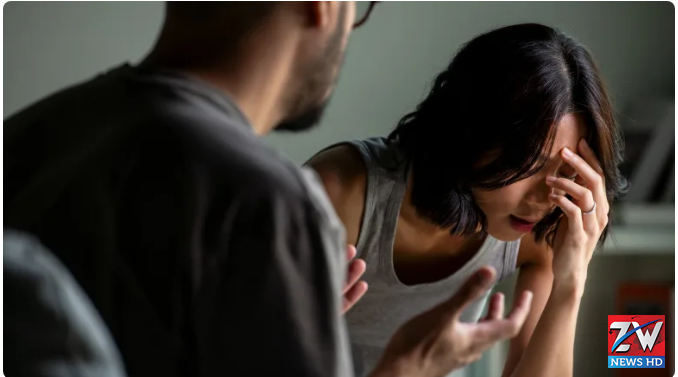
It’s common for couples to find tough talks risky, like walking through danger. By the time they see me, their relationship has usually suffered a lot. In the beginning, partners often walk on eggshells, scared of setting each other off.
This is logical: Your body’s threat response system can activate even during minor disagreements, making it hard to communicate effectively.
Being a couples therapist is like clearing a minefield. We create a safe space so the couple can learn to handle their problems themselves.
What does it mean to feel emotionally safe?
First, you need to understand emotional safety before building it. I asked some colleagues for their thoughts.
Being emotionally safe in a relationship means knowing you can be yourself without worrying about being rejected for showing your true feelings, according to New York therapist Marty Babits.
Does your partner support you when you share your feelings, even if they disagree? If not, your relationship may not be emotionally safe.
Emotional safety means feeling comfortable and genuine, according to New York sex therapist Eva Dillon.
“It usually happens when we’re comfortable—either in a place where we feel we fit in, or with someone we can truly be ourselves around,” Dillon said. “Feeling safe lets us be open, which can bring us closer, spark new ideas, and even make us feel more playful.”
What creates a relationship where people feel emotionally safe?
Therapist Scott Duquette says that being predictable is a key part.
“To feel safe sharing our true feelings in a relationship, we need to trust that our partner will respond to our vulnerable emotions with kindness and understanding,” he said. “Otherwise, we’ll hide parts of ourselves until we feel safe enough to reveal them.
” Even in healthy relationships, disagreements happen. The important thing is to approach problems with openness and curiosity instead of blaming each other. Act like partners who communicate respectfully, even when you disagree.”
According to marriage therapist George Faller, good relationships and bad ones are different because of how well they recover after arguments. Starting a conversation is the first step to fixing things. There’s no easy way around it.
Sex therapist Diana Maryam Nikkhah says the most important things in a relationship are managing your emotions and talking openly. If you can’t control your feelings, it’s hard to make your partner feel secure.
“Using peaceful communication is very important,” Nikkhah said. “This involves understanding your own emotions and then carefully sharing them with your partner without yelling, pointing fingers, or finding fault.”
Is your relationship emotionally unsafe?
According to New York sex therapist Rebecca Sokoll, an emotionally unsafe relationship means you expect interactions to be negative.
Duquette said you might feel like you have to hide what you think and feel, or your partner might get distant, angry, or sad.
Because of this, feeling emotionally unsafe can cause people to be dishonest. This dishonesty can create a harmful pattern where people avoid each other, hiding their true feelings with unclear communication. This can then lead to more conflict with anger, insults, and meanness.
Avoiding tough talks only leads to pain and anger later. Nikkhah says dodging these talks doesn’t solve problems; they don’t just vanish. They might hide for a while, but they’ll resurface, probably in a bad way.
Feeling unsafe emotionally can also cause issues, says Sawano, a sex therapist. A lack of emotional security can cause stress that lowers the desire for sex. Faller adds that people in emotionally unsafe relationships might use drugs or alcohol to escape the pain of feeling disconnected.
Concerned your relationship feels emotionally unsafe?
Faller suggests first, talk about it and admit the lack of safety. He says, “The only way to feel safer is to identify the mistrust. This lets both of you work together to fix it.”
You can also create emotional safety by talking better and working to connect deeply. Talking is a skill you can learn, and feeling heard and understood makes you feel close.
Problems will happen, but fixing them well makes your relationship strong. It’s okay if you can’t always feel emotionally safe. Instead, try to have moments of safety that slowly build up so you generally feel ‘safe enough’.
Couples therapy is good because a therapist is neutral. They want both of you to feel safe and teach you how to communicate better and control your emotions. If you still don’t feel emotionally safe with your partner, individual therapy might help.
Duquette said it’s tough, but rewarding.
“When a relationship feels emotionally safe, it feels strong,” he said. “We can look back at past fights and say, ‘We made it through that, and our relationship is better because of it.'”
