 ZW News HD Latest Breaking News, Entertainment, Sports & Pakistan Updates
Nutrition & Supplements: A Complete Guide to Better Health
Nutrition and supplements have become an important part of modern health and wellness. From improving energy levels to supporting immunity and fitness goals, the right nutrition plan can transform overall well-being. However, with so much information available online, many people struggle to understand what the body truly needs.
This complete guide explains nutrition, dietary supplements, their benefits, risks, and how to use them wisely for a healthier lifestyle.
BY Mahnoor | 18-05-2026
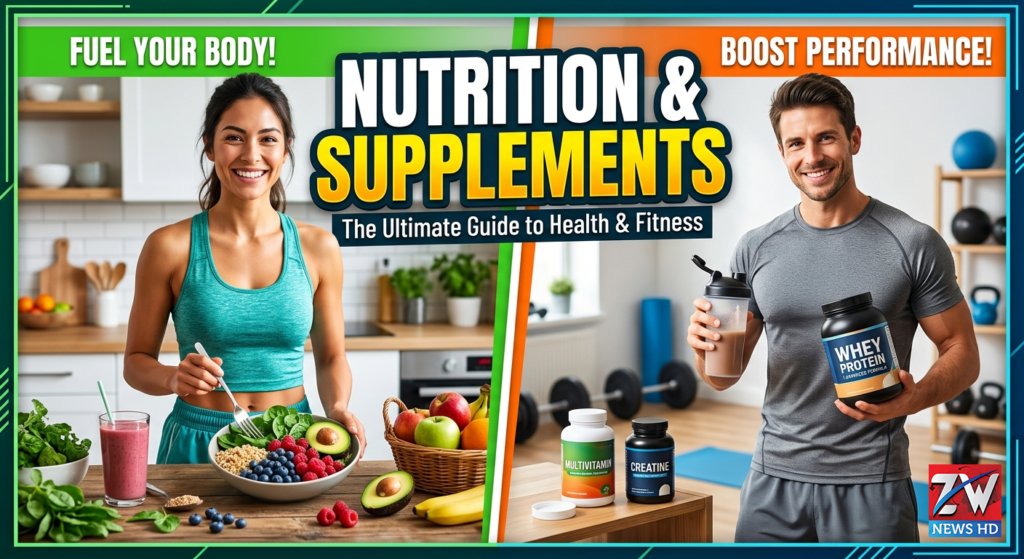
What is Nutrition?
Nutrition is the process through which the body receives and uses food for growth, energy, repair, and overall health. Every nutrient plays a unique role in maintaining body functions.
A balanced diet provides:
- Energy for daily activities
- Strong immunity
- Healthy muscles and bones
- Better brain function
- Disease prevention
- Improved metabolism
Good nutrition is not about strict dieting. It is about eating the right foods in the right amounts.
Types of Nutrients
Human nutrition mainly consists of two categories:
1. Macronutrients
Macronutrients are nutrients required in large amounts.
Carbohydrates
Carbohydrates are the body’s main energy source.
Healthy Sources:
- Brown rice
- Oats
- Whole grains
- Fruits
- Vegetables
Proteins
Proteins help build muscles, repair tissues, and support immunity.
Healthy Sources:
- Chicken
- Fish
- Eggs
- Lentils
- Beans
- Yogurt
Fats
Healthy fats support brain health and hormone production.
Healthy Sources:
- Nuts
- Seeds
- Olive oil
- Avocados
- Fatty fish
2. Micronutrients
Micronutrients are needed in smaller amounts but are essential for health.
Vitamins
Important vitamins include:
- Vitamin A
- Vitamin B Complex
- Vitamin C
- Vitamin D
- Vitamin E
- Vitamin K
Minerals
Important minerals include:
- Calcium
- Iron
- Magnesium
- Zinc
- Potassium
What Are Supplements?
Supplements are products designed to provide nutrients that may be missing from the diet. They come in various forms such as:
- Capsules
- Tablets
- Powders
- Gummies
- Liquids
Supplements are not replacements for healthy food. They are meant to support a balanced diet.
Common Types of Supplements
1. Protein Supplements
Protein powders are popular among athletes and gym-goers.
Benefits:
- Muscle growth
- Faster recovery
- Increased strength
Popular Types:
- Whey protein
- Casein protein
- Plant-based protein
2. Multivitamins
Multivitamins contain a combination of vitamins and minerals.
Benefits:
- Fill nutritional gaps
- Support immunity
- Improve energy levels
3. Omega-3 Supplements
Omega-3 fatty acids support heart and brain health.
Benefits:
- Reduced inflammation
- Better heart health
- Improved brain function
4. Vitamin D Supplements
Vitamin D deficiency is common worldwide.
Benefits:
- Strong bones
- Better immunity
- Mood support
5. Creatine Supplements
Creatine is widely used in sports nutrition.
Benefits:
- Increased muscle power
- Better workout performance
- Improved strength
Benefits of Proper Nutrition
A healthy diet offers long-term advantages.
Improved Energy Levels
Nutritious foods provide steady energy throughout the day.
Strong Immune System
Vitamins and minerals help fight infections.
Better Mental Health
Healthy eating patterns may reduce stress and improve mood.
Weight Management
Balanced nutrition supports healthy body weight.
Reduced Disease Risk
Good nutrition may lower the risk of:
- Diabetes
- Heart disease
- Obesity
- High blood pressure
Risks of Poor Nutrition
Unhealthy eating habits can negatively affect health.
Common Problems:
- Obesity
- Fatigue
- Weak immunity
- Nutrient deficiencies
- Digestive issues
Long-term poor nutrition can lead to serious health conditions.
Are Supplements Necessary?
Not everyone needs supplements. Many people can meet their nutritional needs through food alone.
However, supplements may help:
- Athletes
- Pregnant women
- Older adults
- Vegans
- People with deficiencies
Always consult a healthcare professional before starting supplements.
Natural Food vs Supplements
| Natural Foods | Supplements |
|---|---|
| Provide complete nutrition | Provide specific nutrients |
| Rich in fiber and antioxidants | Limited nutritional complexity |
| Better absorption | Convenient and quick |
| Lower overdose risk | Risk of excessive intake |
Whole foods should always remain the primary nutrition source.
Best Foods for Overall Health
Fruits
- Apples
- Bananas
- Berries
- Oranges
Vegetables
- Spinach
- Broccoli
- Carrots
- Kale
Protein Sources
- Fish
- Eggs
- Chicken
- Lentils
Healthy Snacks
- Almonds
- Walnuts
- Greek yogurt
Nutrition Tips for a Healthy Lifestyle
Stay Hydrated
Drink enough water daily.
Eat Balanced Meals
Include proteins, carbs, and healthy fats.
Limit Processed Foods
Avoid excessive sugar and junk food.
Exercise Regularly
Combine proper nutrition with physical activity.
Get Enough Sleep
Sleep supports metabolism and recovery.
Supplements and Fitness
Fitness enthusiasts often use supplements to support performance.
Common Fitness Supplements:
- Whey protein
- Creatine
- BCAAs
- Pre-workout formulas
While supplements may improve performance, consistent training and proper nutrition are more important.
How to Choose Quality Supplements
When buying supplements:
- Check ingredient labels
- Choose trusted brands
- Avoid unrealistic claims
- Look for third-party testing
- Follow recommended dosage
Cheap or fake supplements may harm health.
Nutrition Trends in 2026
Several nutrition trends are growing worldwide:
Plant-Based Nutrition
More people are choosing vegan and vegetarian diets.
Personalized Nutrition
Diet plans based on genetics and lifestyle are becoming popular.
Gut Health Awareness
Probiotics and digestive health products are increasing in demand.
Clean Label Supplements
Consumers prefer natural ingredients with fewer additives.
Common Myths About Supplements
Myth 1: Supplements Replace Food
Supplements support nutrition but cannot replace healthy meals.
Myth 2: More Vitamins Mean Better Health
Excessive vitamin intake may be harmful.
Myth 3: All Supplements Are Safe
Not every supplement is scientifically tested.
Final Thoughts
Nutrition and supplements both play important roles in maintaining health and wellness. A balanced diet rich in natural foods should always come first, while supplements can help fill nutritional gaps when necessary.
Understanding your body’s needs, staying active, and making informed dietary choices can improve energy, immunity, and overall quality of life. Whether your goal is better fitness, weight management, or long-term health, proper nutrition remains the foundation of a healthy lifestyle.
