 ZW News HD Latest Breaking News, Entertainment, Sports & Pakistan Updates
Related Articles

Oil companies agree to take an 8 billion rupee hit to help the Air Force and flights for Hajj.
BY Mahnnor | 15-05-2026
ISLAMABAD:
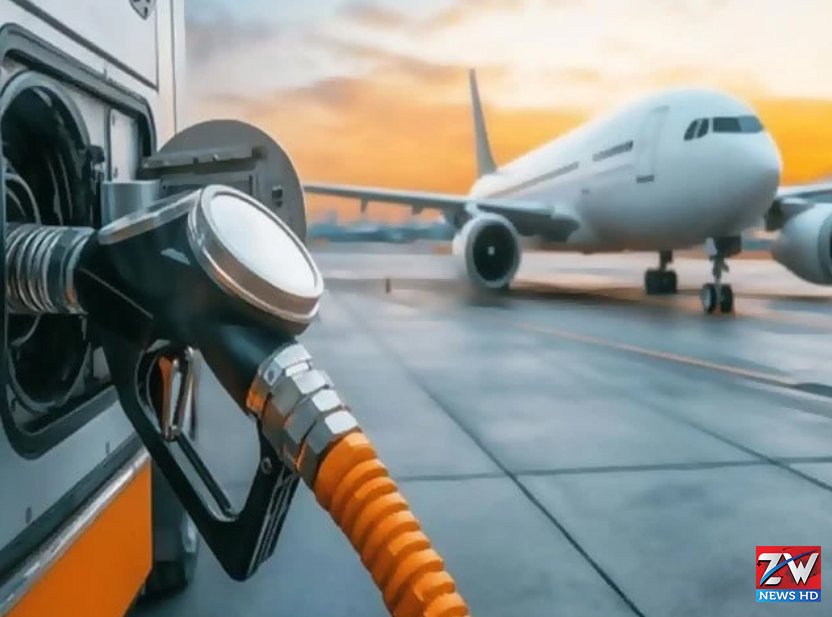
Because Pakistan is facing financial problems due to the US-Iran war, oil companies have agreed to keep the prices of kerosene and jet fuel steady for the Pakistan Air Force, armed forces, and Hajj flights.
Oil companies are selling kerosene and jet fuel at the same prices as on March 1, 2026. Sources say the companies will lose about Rs8 billion by selling fuel at these lower prices.
The government reportedly told refineries that the armed forces needed cheaper oil. So, refineries should price kerosene and jet fuel at the levels they were on March 1, 2026.
The oil companies agreed to supply fuel for Pakistan’s military and flights for the Hajj pilgrimage.
This is regarding talks about the prices of SKO, JP-1, and JP-8 fuels during NCMC meetings. After discussions with refinery heads on May 11, 2026, at the Petroleum Division, local refineries have agreed to provide SKO and JP-8 fuels to the armed forces/Air Force at the prices from March 1, 2026. Refineries will also supply JP-1 fuel at March 1, 2026, prices, but only for Hajj flights. This agreement lasts until June 30, 2026, which is the end of the current financial year, as stated in a letter from the Petroleum Division to the CEOs of oil refineries.
The Pakistan Army uses a lot of kerosene, mainly in remote northern areas. The US-Iran war has caused jet fuel prices to rise sharply, creating a global crisis. Some airlines have even closed down. Pakistan is also affected by these rising oil prices, with petrol and diesel exceeding Rs400 per litre, impacting daily life and increasing inflation.
For many years, Pakistan has spent a lot of money buying petroleum products from other countries because it imports 80% of its oil, mainly from Middle Eastern countries such as Saudi Arabia, the UAE, and Kuwait.
Kuwait has started sending diesel to Pakistan again to help them avoid an oil shortage caused by problems in the Gulf area. Saudi Arabia also gives Pakistan oil, allowing them to pay later.
Recently, Prime Minister Shehbaz Sharif cautioned that Pakistan’s oil import costs have surged from $300 million to $800 million in a single week.https://zwnewshd.com/
📌 ALSO WATCH
👉Fuel Prices Hike and Government Role: Causes,Impact & solution