


The boom-bust cycles make money worth less and force investors to bring their money back home.
BY Mahnoor | 20-07-2026
KARACHI:
If there is one economic number that has always worried Pakistani analysts, investors, policymakers, bankers, and even the common person, it is the current account deficit.
Simply put, the current account shows a country’s dollar income versus spending by looking at exports and imports of goods and services (including IT exports), as well as money sent home by workers. Any shortfall in the current account must be covered by capital account inflows like foreign direct investment (FDI), external loans, aid, and other financial inflows. Pakistan has seen this pattern before. In 2017-18 and again in 2021-22, growing current account deficits led to a big drop in the rupee’s value, import restrictions, higher import taxes, rising inflation, and a major increase in interest rates.
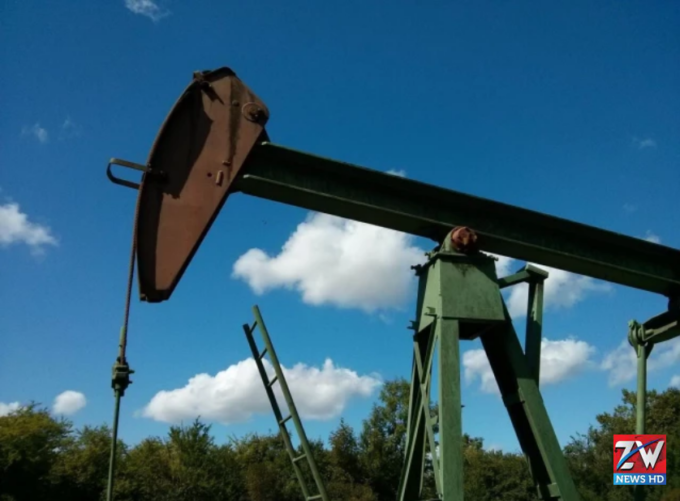
In this situation, Pakistan’s current account deficit was $649 million in June 2026. This worries informed investors, but it may be too early to be sure. The world economy is still affected by wars, which disrupt energy markets. Higher oil and gas prices make Pakistan’s imports more expensive. Also, LNG, coal, chemicals tied to energy prices, and shipping costs have gone up, putting more pressure on Pakistan’s foreign payments.
In June 2026, Pakistan’s goods exports stayed almost the same as last year, but imports went up by nearly $1 billion. The rupee is still fairly stable, but the risk of it losing value is growing. Exports are not very competitive, and the country has not attracted much large foreign investment yet.
If workers’ remittances had not been another good year, growing almost 9% to about $41 billion, Pakistan would have likely faced even more economic trouble. Also, it is important to know that this is the third year in a row where economic growth has just kept up with population growth. While keeping good control of spending and money is needed to keep lenders, investors, credit rating agencies, and local markets confident, much bigger changes are needed to sustainably increase exports.
The recent budget brought several good measures, like removing the extra tax on exporters, lowering taxes on raw materials and semi-finished goods, and reducing the minimum tax to 1.25%. These are positive steps. But policymakers should also set clear goals for export growth focused on making different types of products, reaching new international markets, adding more value, replacing imports where possible, using better farming technology, improving crop yields, and attracting good foreign investment, especially in high-tech areas.
The IMF is usually okay with a current account deficit under 2% of GDP, which means about $700 million per month. But as elections get closer, political pressure may lead to more government spending, easier money, and more imports, which could make the deficit bigger again. This makes long-term investment planning harder.
Another long-term problem from these boom-and-bust cycles is that people’s buying power goes down. Foreign investors might also take their money out by selling shares or paying more dividends, instead of reinvesting in Pakistan or sharing technology. Still, there are good examples of new investors coming in, showing that Pakistan can still be attractive when the policy environment stays stable.
The start of the new financial year should be a warning for policymakers. Instead of only using occasional advice from economic councils, the government should hold meetings every month or even every two weeks with the country’s top 100 exporters. Regular talks would help policymakers spot new problems, fix issues quickly, and work together to hit a bold but realistic goal of 15% yearly growth in exports of goods and services. For a developing nation like Pakistan, there is no good alternative to growth driven by exports. It is the only sure way to reach external balance, stronger economic strength, higher earnings, and lasting wealth.
Also watch this :
A Muslim man was stabbed many times in the US because of his religion, police say




Leave a comment