


New Land Cruiser is one of many such vehicles bought for protection.
BY Mahnoor | 24-07-2026
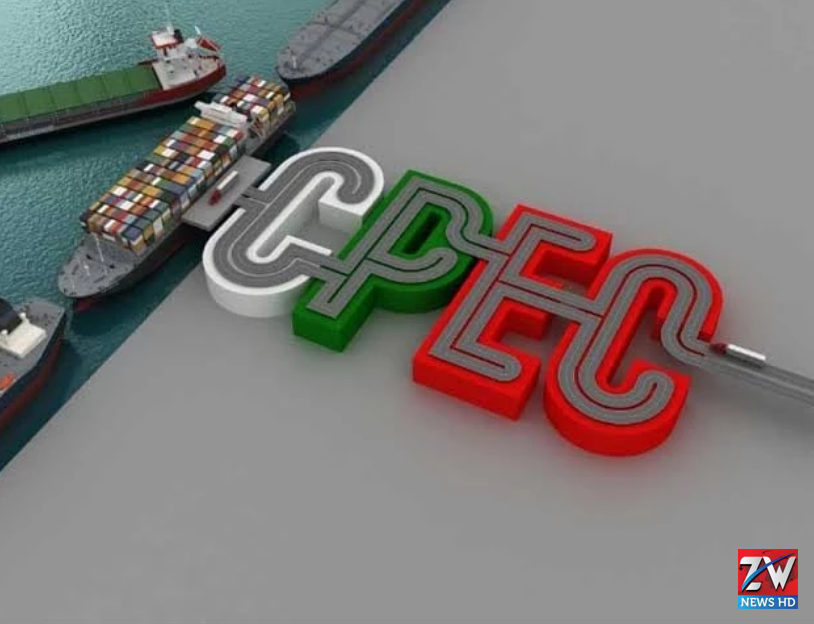
ISLAMABAD: The China-Pakistan Economic Corridor (CPEC) office has decided to buy a bullet-proof car costing 95 million rupees to keep Chinese workers safe. It said the Cabinet Division could not meet its urgent needs, causing important official meetings to be canceled.
This new Toyota Land Cruiser (3500cc) will add to a group of such cars and at least two helicopters that different government departments have bought or are buying to protect Chinese nationals from attacks. Because of high risks, Chinese nationals are not allowed to travel in non-bullet-proof vehicles.
Planning Minister Ahsan Iqbal said the bullet-proof vehicle is bought only for the safety of Chinese people. Protecting them is Pakistan’s government’s main job.
The government will buy the vehicle directly from a local dealer. They will use rule 42-c (vii) of the Public Procurement Rules to do this.
The CPEC secretariat didn’t have enough money to buy the car. The planning ministry got the money by June 30 by taking Rs58.3 million from other projects. But the order couldn’t be placed because approvals were delayed by the end of the fiscal year.
The car will be bought for the CPEC secretariat project, which said that whenever they asked the Cabinet Division for cars, often none were available because there were few cars and high demand. They told the planning ministry that not having cars caused delays, rescheduling, and sometimes cancellations of important meetings, especially with foreign visitors.
The CPEC office handles the coordination and monitoring of CPEC projects, but there is no full-time project director, and the work is given to a junior officer.
The project management said that to do its job well, reliable official transport is necessary. It added that Chinese groups and technical staff often visit the CPEC office and project sites for meetings, checks, and coordination.
This year, Pakistan and China are celebrating 75 years of having official ties. During this time, high-level Chinese groups are expected to visit Pakistan for events related to CPEC and celebrations.
Official papers showed that because not enough cars are available, the office had a big problem giving quick transport help to visiting groups, which hurts work speed and promised services.
Getting cars from the open market regularly was also not workable because these deals were unsure and had very high rental costs. They were not money-saving or long-lasting, and they added an unnecessary money problem for the government.
The planning secretary asked to “get advice from the cabinet division on how to buy a bulletproof car and what steps and approvals are needed for that.”
The secretary cabinet didn’t want to talk about it.
Three sellers from Indus Motors gave price offers that were almost the same. The government chose the offer from M/s Toyota Central Motors, which was 95.049 million rupees. M/s Toyota Society offered 95.45 million rupees, and M/s Toyota Port Qasim offered 95.25 million rupees.
The government used special buying rules under rule 42 of the PPRA rules. They will buy the car through direct contracting using car purchase rules. The Central Development Working Party already approved buying the car.
The project asked for money, including moving Rs58.3 million to pay for the car. The CPEC secretariat had no cash for the purchase. Even though other projects under the ministry had money, no project director wanted to give up funds. Only the federal SDGs administration gave Rs9.1 million extra, as shown in documents.
The joint secretary for development suggested waiting to buy things this year because there was no money. Later, the planning ministry told to move Rs58.3 million from one budget to another, but spending couldn’t happen because approvals were delayed, the officials said.
The planning secretary, who this week was reassigned to the climate ministry, also took leave on June 30, and couldn’t get approval even after arranging Rs58.3 million payments before the end of the fiscal year.
The ministry had set aside Rs16 million from the competitive grants program for projects focused on policy research, Rs18.8 million from the Centre for Excellence for CPEC, Rs9.1 million from the federal SDGs program, and Rs11 million from the Monitoring and Evaluation project. This included Rs6.2 million meant for paying contract staff.
When asked, the acting project director said that under CPEC 2.0, Chinese experts have been asked to work with the Ministry of Planning and other departments to give advice on the CPEC 2.0 long-term plan, export growth, special economic zone development, and farming modernization.
He said no urgent payment is being made. The full amount must be paid because you cannot pay in parts. The car will get bulletproofing later, following standard procedures from the Ministry of Interior.
Also watch this :










Leave a comment