 ZW News HD
Related Articles


The government could collect Rs30 trillion in taxes if it records the informal economy, real estate, and other sectors.
BY Mahnoor | 01-06-2026
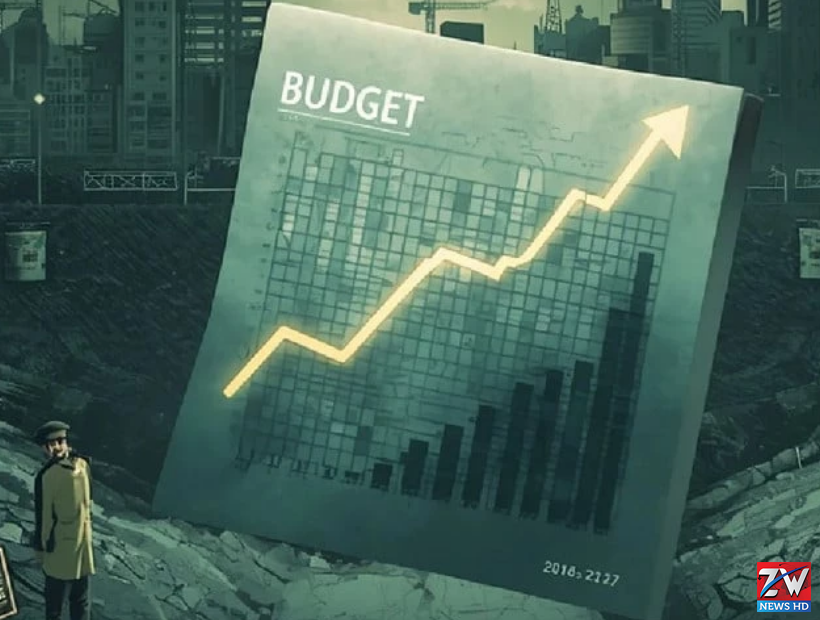
ISLAMABAD: Pakistan collects very little tax because of poor financial management. Current policies protect those who avoid taxes while placing too much pressure on honest, registered businesses. Even though the debt has grown huge by 2026, the core problem has not been fixed.
The Federal Board of Revenue (FBR) is failing to meet its goals. To make up for it, they rely too much on withholding taxes, use indirect fees to change their numbers, and stop people from getting refunds. They also pressure law-abiding businesses and force salaried workers, shoppers, and tax collectors to pay for the government’s financial failures.
New numbers show how serious the crisis is. From July to April of the 2025-26 fiscal year, the FBR collected about Rs10.25 trillion. This was short of their Rs10.90 trillion goal by nearly Rs683 billion.
The government failed to collect enough money from several areas: income tax fell short by Rs210 billion, sales tax by Rs382 billion, customs duty by Rs79 billion, and excise duty by Rs14 billion. By May 2026, the problem grew, with a total shortfall exceeding Rs750 billion.
Even so, the 2026-27 budget plan sets an extremely high collection goal of Rs15.3 trillion, plus Rs1.73 trillion from fuel taxes. This appears to be just another way to manipulate budget numbers.
The situation is even worse because the government celebrates economic growth numbers while hiding deep problems. Inflation, a weaker currency, and higher oil prices make revenue look higher, but this isn’t real tax reform or more people paying taxes. The true test is collecting taxes fairly, encouraging people to pay, and bringing untaxed businesses into the system. In these areas, the FBR is failing completely.
The same old tactics are being used again. The government is collecting taxes too early, refusing to give back refunds, and making up fake debts to increase revenue. They are also raising indirect taxes to fill budget gaps. They now use the petroleum levy most often because, under the Constitution, this money isn’t shared with the provinces. While citizens face record-high fuel prices, provinces are being denied their fair share of sales tax. This is not careful budgeting; it is a way to bypass the Constitution.
The federal government is replacing shared taxes with specific fees, like the petroleum tax, which breaks the rules of fair tax sharing promised by the Constitution. It is frustrating because decisions on new taxes for citizens are often made during IMF talks before Parliament even discusses the budget. Because of this, the 2027 Budget looks less like an independent plan and more like a document written to follow outside orders.
The most worrying part is how taxes are collected. Official data shows that almost 90% of income tax comes from automatic deductions and advance payments. This means people with salaries, contractors, utility users, and businesses pay the government through forced deductions. The FBR’s own efforts to find and collect taxes through audits and enforcement are very low.
The latest government report shows this failure. In the 2024-25 fiscal year, withholding taxes alone reached over Rs3.38 trillion. Salaried workers paid more than Rs605 billion, a jump of over 55% from last year. Meanwhile, retailers, wholesalers, real estate moguls, and many people in the unofficial economy still pay very little tax or nothing at all. As a result, the tax burden falls mostly on people who are already easy for the government to track.
This is not fair taxation based on agreement; it is taking money by force. In Pakistan, the struggle of companies that collect taxes for the government is a major, ignored injustice. Banks, phone companies, and big businesses act as tax collectors for the state without being paid. They spend huge amounts of money on staff, software, and legal costs to follow the rules. Instead of helping, the state treats them like unpaid machines. Forcing companies to do the government’s job violates economic logic and the Constitution, which forbids forced labor.
The FBR is still wrongly defining who a ‘taxpayer’ is. They claim only people who file tax returns are taxpayers, which is untrue. Millions of Pakistanis already pay taxes indirectly when they buy mobile phone services, electricity, cars, banking products, petrol, or property. If the government connected the data from ID services, banks, utility companies, and telecom providers, they could easily identify over 100 million people who are active in the economy.
The problem is not a lack of data. Instead, it is a lack of political desire, organized ability, and a clear plan for change. Past governments have avoided real reforms because the current broken system benefits powerful groups. Creating a modern, digital National Tax Authority to combine federal and provincial taxes—as suggested many times—would greatly reduce corruption, legal battles, lost money, and wasted effort.
A local, independent tax agency would help improve record-keeping and social security. However, real reform is difficult because powerful groups benefit from the current system. If Pakistan properly tracks the informal economy, real estate, farming, and untaxed wealth through a fair and predictable system, the country could collect at least Rs30 trillion in taxes every year.
Instead of fixing the system, governments keep overtaxing businesses that already follow the rules. This is bad for the economy. Our current tax system has some of the highest rates in the region, yet the government collects very little money compared to other similar countries. The issue isn’t that tax rates are too high; the real problems are unfair enforcement, too many different taxes, changing rules, and poor management.
The 2026-27 Budget is a chance to stop using a broken system. Pakistan must simplify tax laws and make federal and provincial rules work together. We should remove too many tax deductions, pay people back for managing taxes, and give provinces more financial power. Also, we need to digitize tax systems, let local governments collect more taxes, and create a clear deal where paying taxes directly improves schools, hospitals, welfare, and roads.
Without these changes, the 2027 Budget will just be more fake numbers. The FBR will claim growth, fail to meet goals, pressure honest businesses, hold back refunds, use force to collect money, and ask for more control. The IMF will praise their work, while regular people suffer from high prices and extra taxes.
The problem isn’t just that the FBR keeps failing. The real problem is that the government has made this failure a permanent part of how it manages money.