 ZW News HD
Related Articles

Treating plug-in hybrids like zero-emission cars might make people buy fewer EVs.
BY Mahnoor | 23-05-2026
LAHORE:
Pakistan’s plan for New Energy Vehicles (NEVs), which aims to switch to cleaner transportation by cutting pollution and oil imports, encouraging electric vehicles, and building a local EV industry, is becoming a major industrial debate. Regular car companies and many local parts makers worry that the plan could hurt the manufacturing industry it’s trying to improve.
Industry experts worry the new policy might not help the government reach its goals for electric vehicles. The policy wants 30% of vehicles to be electric by 2030. But some say that giving the same benefits to plug-in hybrid cars (PHEVs) as fully electric cars (BEVs) could make people buy fewer BEVs.
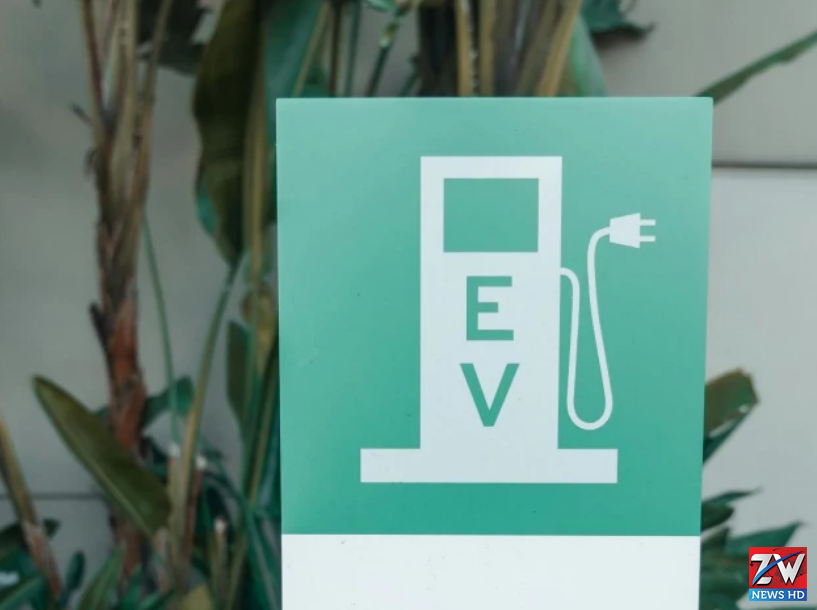
Leaders and sellers think the planned benefits will make PHEVs much more appealing than fully electric cars. This is because Pakistan doesn’t have good charging options, especially a dependable country-wide network. The plan suggests 3,000 charging stations by 2030, but now there are very few for a nation the size of Pakistan.
Industry experts believe that people buying cars for long trips between cities and provinces probably won’t depend only on electric vehicles anytime soon. Instead, many might prefer plug-in hybrid vehicles (PHEVs) because they have a gasoline engine for when charging stations are not around.
An industry insider said customers will likely pick the safer choice. If people aren’t sure they’ll find a charging station on the highway, in another city, or even in town, they’ll prefer a car that can also use gas.
Company leaders say that instead of making the move to zero-emission vehicles faster, the plan might make battery electric vehicles (BEVs) and plug-in hybrid vehicles (PHEVs) less competitive. Because BEVs still have expensive batteries, strong benefits for PHEVs might tempt buyers away from BEVs, instead of drawing them closer.
The proposed rules generally include battery electric vehicles (BEVs), plug-in hybrid electric vehicles (PHEVs), range-extended electric vehicles, and fuel-cell vehicles as NEVs. For cars, even PHEVs that can travel only 50 kilometers using just electricity would be eligible for benefits under these rules.
Leaders from Japanese car companies say the proposed taxes could greatly reduce the price difference between plug-in hybrids and regular gasoline cars. This would make gasoline cars much less competitive, even after years of investment in local production.
A top person at a Japanese car company said, ‘Things happen here that don’t happen anywhere else.’ He meant that, unlike the rest of the world that separates electric, hybrid, and plug-in hybrid cars, Pakistan is mixing them up.
Aamir Allawala, previously the head of the Pakistan Association of Automotive Parts and Accessories Manufacturers (PAAPAM), thinks this plan makes it hard to tell the difference between truly zero-emission vehicles and technologies that are just a step in that direction.
“Battery electric vehicles (BEVs) don’t pollute and should be promoted. But plug-in hybrid electric vehicles (PHEVs) still have engines, gas tanks, and exhaust. So, they aren’t pollution-free,” he stated.
Allawala cautioned that if PHEVs are treated the same as BEVs for taxes, making them locally could become too expensive. This is especially true since local suppliers still pay 18% tax on imported materials, while imported or assembled PHEVs get big tax breaks.
He said that while some benefits for plug-in hybrids might be okay, they shouldn’t get the same benefits as fully electric cars. He emphasized, “We need to treat them differently.”
The draft policy admits that Pakistan will likely import most four-wheeled NEVs (electric vehicles) at first. It cautions that this reliance on imports could hurt trade if local manufacturing doesn’t increase. However, industry experts argue the plan doesn’t require companies getting benefits to sufficiently manufacture locally, even though these companies are now covered by the policy.
This plan says electric vehicles can cut how much Pakistan spends on imported oil, make city air cleaner, and lower transportation costs in the long run. It figures we could save over 537 billion rupees on fuel by 2030, and also improve the environment and people’s health. The plan also suggests building 3,000 charging stations across the country by 2030, setting up special green funding, and training lots of workers.
Many people are asking the government to focus on battery electric vehicles instead of a general policy that includes plug-in hybrids. They say that countries serious about electric cars are prioritizing pure electric vehicles and view plug-in hybrids as a short-term solution.