 ZW News HD Latest Breaking News, Entertainment, Sports & Pakistan Updates
Related Articles
The Third Schedule improves tax collection, but it doesn’t replace the need for bigger changes.
BY Mahnoor | 18-05-2026
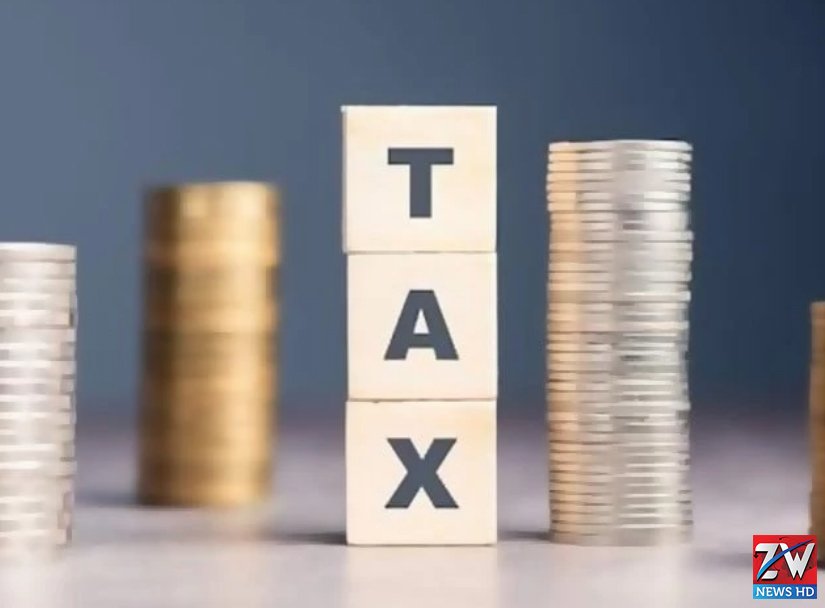
ISLAMABAD: Discussions about taxes in Pakistan often begin with the wrong focus. We discuss rates, goals, and missed targets, but we avoid the main issue: how the tax system is set up.
A tax system that relies on a mainly unrecorded retail economy to get money will always cause problems, loss of revenue, and anger. This is what has occurred with the current General Sales Tax system. The outcome is a system that looks comprehensive but is hard to manage and easily avoided. It impacts those who are open, follow the rules, and have records, while letting many businesses stay outside the tax system.
Pakistan should stop assuming that higher taxes on shops will force them to register. Evidence suggests it won’t work. Unregistered shops pay 4% extra tax, and those who don’t file taxes pay more income tax upfront, but most shops still don’t register.
After many years of stricter punishments, programs, warnings, and crackdowns, things haven’t changed. Policymakers should realize the problem isn’t a lack of effort, but a flawed system. These taxes don’t control the informal economy as planned. Instead, they often add costs to the formal sector, especially for manufacturers of everyday goods. Registered producers, who are already checked and face pressure, end up paying more to keep their products on shelves and available to buyers.
Small, unregistered businesses are mostly unaffected, so the government misses out on collecting all the taxes it should. Honest businesses end up paying more because others avoid taxes. This isn’t tax improvement. It’s a system that unfairly punishes those who follow the rules.
A better option already exists in Pakistan’s laws. The Sales Tax Act’s Third Schedule provides a simpler way to tax some consumer goods. This method taxes the printed retail price and collects it early, when goods are made or imported.
We don’t need higher taxes. What needs fixing is where we collect taxes and who pays them. When many businesses avoid taxes, this is more important than new warnings or sign-up drives.
This is also important for consumers. Printed prices in stores don’t just make taxes easier. They make pricing clear in regular markets where prices often change without reason and rules aren’t well enforced. For important household goods, especially in smaller towns or places where people don’t have much information, a price printed on the product helps protect consumers a little bit. It makes it harder to unfairly raise prices, helps local authorities enforce rules, and gives people a price to compare when prices are rising and every bit of money matters.
We should pay attention to the ongoing discussion about adding products like cooking oil, milk, dairy, flour, frozen foods, and condiments to the Third Schedule. The Express Tribune recently reported that businesses are worried the current GST system is too complicated, easily evaded, and unfair to companies already paying taxes.
The government has also noted the benefit of collecting the 18% tax earlier in the process, instead of struggling to get it from the final seller who is often the weakest and has the poorest records. However, the Third Schedule isn’t a perfect solution. It’s better viewed as a temporary fix, not a replacement for bigger changes. Pakistan needs a tax system that encourages proper invoicing, motivates everyone in the supply chain, and uses technology to make it beneficial to participate honestly.
A sustainable tax system shouldn’t depend on forcing some people to pay while letting others avoid it. It should encourage good record-keeping for everyone involved: businesses, stores, and customers.
The best thing to do right now is clear. If the government wants to protect its income, reduce problems in the market, and help the official economy before the next budget, it should include certain essential packaged goods in the Third Schedule. It should also start getting rid of rules that only punish businesses that follow the law when selling to the informal market. Pakistan doesn’t need a tougher GST system. It needs a smarter one that understands how the economy really works and encourages people to follow the rules.
Expanding the Third Schedule quickly helps protect official manufacturers. However, it’s not a lasting solution and could hurt efforts to track the value of goods. Also, we need to fix the system’s weaknesses to encourage more businesses to become official and reduce lost revenue.