


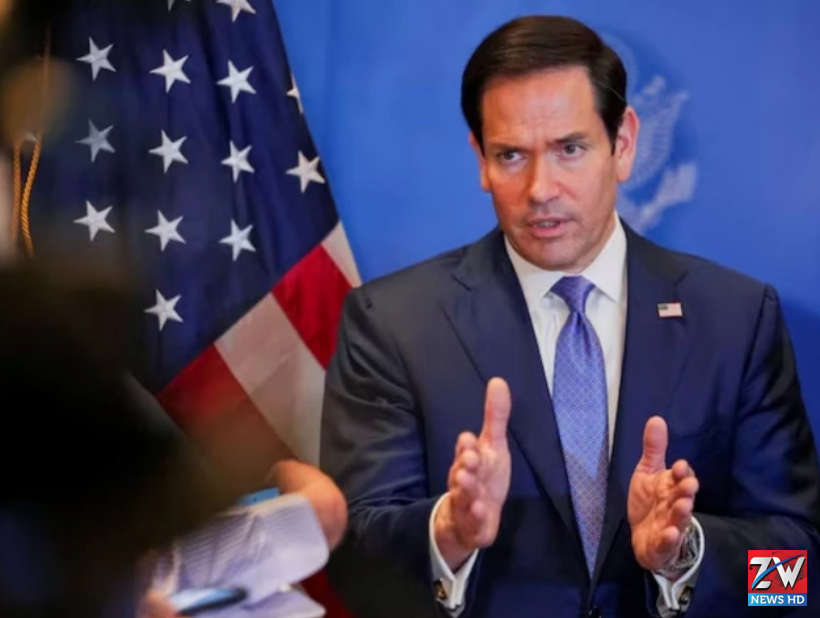
The US military says its newest strikes on Iran are finished. This marks the 11th night in a row of attacks.
BY Mahnoor | 22-07-2026
US Secretary of State Marco Rubio said on Wednesday that the US is still ready to talk to end the Iran crisis, but Iran is not serious about talks. At the same time, the growing conflict caused problems at two of the world’s most important energy points.
Rubio said this at a meeting with Southeast Asian foreign ministers. One day earlier, three oil tankers carrying Saudi oil to Asia turned back in the Red Sea, likely because of threats from Yemen’s Houthis.
The Houthis, who control the coast at the Red Sea entrance, said on Monday they are blocking Saudi ships. This could start a new part of the war that has killed thousands in the Gulf.
The war started on February 28 with US and Israeli attacks on Iran. Iran already threatens ships in the Strait of Hormuz, so the Red Sea is the main way for Saudi oil to leave.
A top Iranian official told Reuters on Monday that Iran got a request from helpers for a 10-day break in fighting. This is to try to save the temporary peace deal signed by the US and Iran in June, which replaced an earlier deal from April.
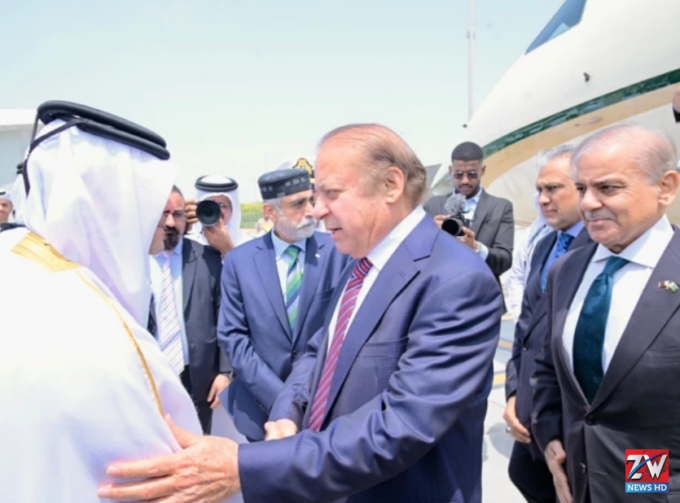
Another sign that talking is still happening: Iran’s Interior Minister Eskandar Momeni went to helper Pakistan and asked them to keep trying.
Rubio said Washington is ‘always ready to talk,’ but he’s not sure if Tehran really wants to negotiate.
‘The issue now is that they’re not serious about talks. If they are serious, we are serious. If not, we will do what we need to protect our own interests and the interests of our allies,’ Rubio said in Manila.
He said Iran must not be allowed to control the Strait of Hormuz. He argued that it would set a bad example for the world, including Southeast Asian countries, many of which have land disputes with China in the South China Sea.
Rubio said, ‘If we allow a country in the Middle East to decide they will control an international waterway, charge a fee, and destroy ships that don’t pay, we set a very dangerous example that will happen in other places, including this region.’
Without any diplomatic progress expected, the US military bombed targets across Iran for the 11th straight night on Tuesday. People in Tehran heard explosions early Wednesday, and Iran turned on its air defenses over the capital, according to Iran’s semi-official Fars news agency.
Explosions were also heard in the southeastern coastal cities of Chabahar and Konarak, and two blasts were reported in Bushehr, where Iran’s only nuclear power plant is located, Iran’s official IRNA news agency said.
Earlier, Iran hit US military places in Bahrain, Kuwait and Jordan, and a ship was struck in the Strait of Hormuz.
Iran said it had hit buildings owned by Amazon in Bahrain, where the US tech company runs a local data center. Amazon did not say anything, and Reuters could not check the report.
US President Donald Trump said that 18 US soldiers have died so far in the war. This includes four who died in Iranian attacks on US military bases in Jordan and Iraq in the last few days.
Oil prices went up more in Asian trading on Wednesday. They had already risen over 2% on Tuesday because of Houthi threats. Brent crude oil stayed above $91 a barrel, and US gasoline went back over $4 a gallon.
US military says its latest attacks on Iran are over, making 11 nights of strikes in a row
The US military said late Tuesday it finished its latest attacks on Iran, which was the 11th night in a row of American strikes.
“US Central Command forces hit Iranian military operation centers, sea tools, plane hangars, drone storage places, and military supply structures to make it even harder for Iran to threaten merchant ships in the Strait of Hormuz,” said a statement from the US Central Command.
The US military says the strikes lasted about 75 minutes late Tuesday.
Washington says Iran attacked over 30 commercial ships passing through the Strait of Hormuz in the last three months.
The war started when the US and Israel attacked Iran on February 28, and Iran fought back with its own attacks on Israel and Gulf states that have US bases. US-Israeli attacks on Iran and Israeli attacks on Lebanon during the war have killed thousands of civilians, destroyed homes, and forced millions to leave their homes.
An Iranian health official said fifty civilians died and 500 were hurt in the recent US attacks on Iran.
US soldier deaths in the war have gone up to 18 in recent days.
On Monday, Trump said he would get back at Iran after attacks on US soldiers.
Last week, Trump said he would hit more places in Iran, like power plants and bridges.
The 1949 Geneva Conventions about treating people well in war say no attacks on places needed for civilians.
After Trump’s past threats to hit such targets, US international law experts said in April these attacks might be war crimes.
Gate of Tears
In a letter to shipping companies, the Houthis on Tuesday said they would attack any ships that pick up or drop off Saudi oil.
Trump said the Houthis have not yet closed the Bab el-Mandeb, the “Gate of Tears” waterway into the Red Sea, and threatened to act against them if they do.
“So far it hasn’t happened,” Trump said. “If something like that happens, we take care of it.”
Three oil ships filled with Saudi oil for China and India turned around in the Red Sea on Tuesday. They went toward the Suez Canal instead of going near the coast of Yemen at the sea’s entrance.
During the war, Saudi Arabia mostly avoided shipping problems by sending oil through pipes to Yanbu on the Red Sea. But if the Houthis fully block that route, global oil supply could drop because most Saudi oil exports would be stuck.
On Tuesday, Trump again threatened to attack Iran’s nuclear facilities at Natanz ‘pretty soon.’ In June 2025, he said these facilities were ‘totally destroyed’ after the U.S. military bombed them, even though they were hidden in a mountain. Iran promised to fight back.
Also watch this :





Leave a comment